There it is – poem by Jayne Cortez

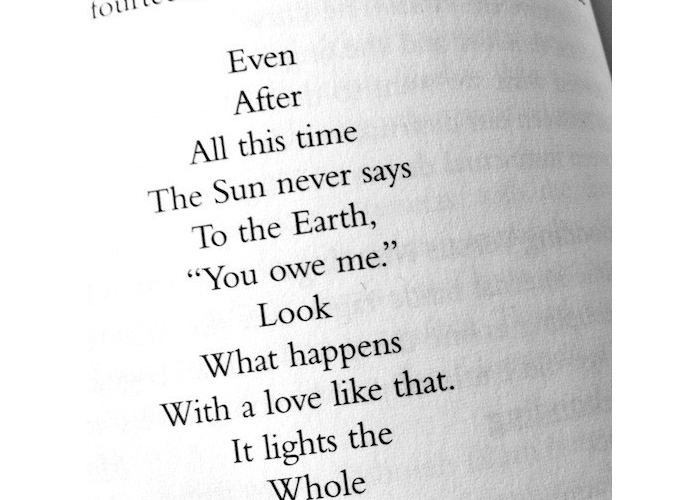
THERE IT IS

And if we don’t fight

if we don’t resist

if we don’t organize and unify and

get the power to control our own lives

Then we will wear

the exaggerated look of captivity

the stylized look of submission

the bizarre look of suicide

the dehumanized look of fear

and the decomposed look of repression

forever and ever and ever

And there it is


(1982)

What’s wrong with psychiatry and how we might change things

British psychologist Gary Sidley and US reforming psychiatrist Peter Breggin discuss Gary’s journey of disillusionment with the NHS “mental health” establishment, and then freely indulge their thoughts and fantasies about what an ideal “mental health service” would look like. Find it here.

Gary Sidley’s new book is now available Tales from the Madhouse PCCS Books

Current psychiatric practices are based on pseudo-scientific assumptions that are barely more valid than those of witchcraft and demonic possession that dominated society’s approach to madness in bygone centuries. In Tales from the Madhouse, the evidence for psychiatry’s deficiencies are comprehensively reviewed, and disturbing anecdotes from the author’s 33 years of practice in mental health illustrate how these failings are currently playing out within psychiatric services throughout the UK and beyond.

Find his blog here.


Happiness and the capture of subjectivity

The Happiness Movement and the capture of subjectivity

I am a kind of paranoiac in reverse. I suspect people of plotting to make me happy.

~ J.D. Salinger              


In November last year (2014), I went to an Action for Happiness event in central London. It was organised to mark the publication of Thrive: the Power of Evidence-Based Psychological Therapies by Richard Layard (a founder of Action for Happiness) and David Clark[1]. Conway Hall was full. The authors spoke for twenty minutes each and took questions from the floor. The occasion was a celebration of the marriage of Layard’s campaign for government action to promote psychological well-being, Clark’s championship of CBT and the resulting roll-out of the IAPT programme. Having failed to get a question or comment into the Q & A session, I wrote to the event organiser with my thoughts on the happiness movement, CBT and IAPT in the context of neoliberal capitalist society. This is a version of the thoughts I put together on the idea of happiness as a campaign slogan for social change, in response to the event and the email exchange that followed.

I want to say first that despite my misgivings about the happiness movement[2] (a term I am using to cover a number of political and cultural initiatives campaigning for the promotion of happiness over economic growth on government policy agendas, here and worldwide), I recognise that it does have a life-giving intention and a commitment to social change.

Nevertheless, I feel very uncomfortable with ‘happiness’ as a goal and/or a campaign banner slogan, and especially with the way it is being linked with ‘mental health’. I will say a bit more about that in a moment. I am also unconvinced that either Action for Happiness or the authors of Thrive are really interested in the social and economic causes of psychological distress. The focus of Thrive is clearly on the subjective, despite its notional critique of some aspects of capitalist society and culture.

On the marriage of happiness and the evidence-base of CBT and IAPT – the issue closest to my heart and experience as a psychotherapist – I am afraid I am disgusted and dismayed. Here, I am focussing on idea of ‘happiness’. Its linkage with CBT and IAPT deserves a separate discussion, especially given the peculiarly disingenuous nature of Layard and Clark’s book in its celebration of the success of “evidence-based” therapy.

Is happiness a valid common good?

As an organising banner for social change, happiness is a simplistic concept. It is labile.

A huge range of things and experiences make me feel happy at one level or another. My iPad, my new VW Polo, losing half a stone, my relationship with my wife and children, a pint of cider, women I fancy on the street, many moments in my consulting room, the cormorant fishing the canal, a decent pair of nail clippers, a new gadget for my bike, my friendships, having a few thousands in a savings account, not being 18 again, etc, etc make me happy.

Happiness needs ground to have substance and value – a context in space, time and relationship. Being happily married is not in the same cosmos as being happy with my chocolate bar. Being happy looking at pornography is something very different from being happy that death has come to me at last! Happy to have survived that awful accident is not related to happy I caught that bus. The Skidelskys talk about all this in “How much is Enough?[3]. So do many of the academic critiques of the happiness and well-being movement.

Capitalism of course sells us happiness all the time, and is adept at recognising changing social mores and fashion as opportunities to make profit selling back to us our quest for happiness.

Coca-Cola is probably the best-selling source of happiness throughout the world – perhaps because it is the ‘real thing’. Bisto gravy sells the happy family to the UK. Apparently, Christmas advertising on TV in 2013 generated ten times more happiness then anger.[4]

Happiness is modern capitalism’s most important sales pitch. It makes money by attaching its products and services to our desire to be HAPPY. It markets a version of society in which happiness is the primary – in fact, the only – goal in life that matters. In its neoliberal incarnation, it excels at selling us the promise of happiness, as it immiserates a significant proportion of the population.

So when Action for Happiness and Lord Layard assert self-reported happiness to be a primary social good to be prioritised by political policy-makers, I want to ask what is it that distinguishes their happiness from the happiness that sells us goods and services, and can make us feel good about our lived experience? Why is their version of happiness not simply a sales pitch for CBT, physical exercise, buying Thrive, positive thinking, meditation, group facilitation, mindfulness, life coaching, spiritual training, advice on nutrition, etc, etc?

Is happiness actually a valid common good, taken out of the complex contextual debate of what gives meaning to our lives?

Happiness and mental health

What kind of context does the connection with mental health give to happiness? If mental health is thought of as states of mind that can be negative or positive, and happiness is defined as having a positive state of mind, then the link Richard Layard and others have been making between unhappiness and untreated mental illness has a very obvious popular appeal. If we focus on helping people develop more positive states of mind, more people will feel happier and suffer less mental illness. Focus on helping people feel happier, and they will have more positive states of mind and less mental illness.

No-one, of course, thinks that mental health is just a state of mind. We all know that what gets called mental health is in fact a complexity of lived experience involving subjective and objective conditions, personal history and circumstances, as well as social, economic and political history, and circumstances, personal opportunities and socio-economic opportunities. Mental health is, by definition, in terms of lived experience, a misnomer in all sorts of ways – for example, it involves a mind/body split which more and more people see as unhelpful; it associates psychological life with the mind and thinking – a sort of Cartesian fantasy of who we are as human beings; in other words, it tends to separate subjective states from lived experience and circumstances; it also tends to treat the psychological and the subjective as symptoms of the individual rather than the collective.

Meanwhile, the ‘health’ in mental health tends to think of the psychological realm in the same categories as physical health and medicine. We think of medicine as a science. We assume an objective norm of the healthy body, in relation to which sickness is a deviation to be cured. Medicine has an evidence-base close to the natural sciences – anatomy, bio-chemistry, x-rays and scans, lab-work, microscopes etc, etc. Illnesses are diagnosed and treated on the basis of scientifically evidenced efficacy.

We know that, to an important but under-acknowledged degree, evidence-based medical science has its limitations. Any doctor will tell you that much of medicine is trial and error, diagnosis is often a process of elimination, cure achieved by the placebo of a pill or an empathic ear. But most of us will accept that to a very significant degree the evidence-base of medical science works for us as far as the body is concerned.

This just is not the case for working with psyche – emotions and emotion-laden thinking, negative fantasies, repetitive cycles of anxiety and fear, emotional conflict in relationships, lack of self-esteem, martyrdom, harsh self-judgement, depression, self-loathing etc. Much of what might be diagnosed as mental illness is not something comparable with symptoms of physical illness. The “norm” for every human being, if there is one, is to have experience and symptoms of all psychological disorders in some shape and degree. We all get anxious, depressed, obsessive, paranoid, addicted, aggressive, cut off, manic, psychotic to some degree or other, at some time or another.

The diagnosis of mental illness is a hugely contentious business among psychologists, psychotherapists and counsellors, and psychiatrists. Many of us are very concerned at the growing industry of diagnosing psychological suffering and distress as mental illness – across the spectrum of severity of symptoms. Critical psychiatrists all over the world have protested at the mushrooming and distortions of diagnostic categories in the DSM5.[5]

Psychiatrists and psychotherapists with a social perspective on psychological distress are increasingly wary of the diagnosis of depression and anxiety as mental illness rather than either the sickness of society or a reasonable response to social and economic deprivation and exploitation.[6]

For many counsellors and psychotherapists, depression and anxiety are part of the human condition, as much to do with the existential struggles of identity and emotional/ethical conflict as any diagnostic category of mental ill-health.

But whatever we think about the term mental illness, what exactly is the connection between that and happiness?

Is happiness a natural binary of depression or anxiety? “I used to be depressed/anxious, now I’m happy”? What about “I used to be depressed, but now my life feels more meaningful”. Or “less empty”. Or perhaps “looking back, I can see that getting depressed has made me more appreciative of the other people in my life”. Or “I see now that this stuff I call depression is a mixture of a number of things – rage, loss, fear. I feel more alive recognising these feelings, though I wouldn’t call it ‘feeling happy’”. If I feel less anxious or depressed, frightened or violent, cut off or manic does that mean I must feel happier? Maybe, but unless I give you some context, it would be very simplistic of you or anyone else to assume so. Happiness is not the primary goal of life. And suffering is certainly one of its everyday ingredients.

None of this is to deny that there is an awful lot of psychic pain in the world that people need help with. Nor that much of this suffering is unrecognised and stigmatised, and that help is often in short supply.

Psychological and material well-being

But if, for the moment, we allow that having more happiness than unhappiness in your life is a rather good thing – for you, those around you and society in general; if, therefore, we would like to influence society to attend more to what it is that helps us feel happier with life; if we also allow, for the moment, that psychological suffering is a major indicator of unhappiness, that it is more widespread than is normally acknowledged, and therefore society and government need to attend to it; then we need to know something about what psychological suffering is and what causes it, in order to develop policies for change.

One of the most common themes of mental ill-health is the familiar dichotomy of nature and nurture. Does mental illness originate from within, or from without? Is it more to do with genes, or more to do with environment? Is it located more in the individual/subjective/personality/inner world, or more in the collective/objective/inter-personal/external world?

The link between psychological well-being and socio-economic well-being is complex. The autonomy of the individual and the collective realms needs to be respected while at the same time recognising their interdependence. In terms of national policy, it matters how we understand this relationship, where we put the emphasis, and therefore how we pitch campaigns to improve psychological well-being.

On the Action for Happiness website[7] and in Thrive, the interwovenness of the psychological, social and material are acknowledged, but the emphasis is distinctly on the genetic and the subjective. This for me distorts and undermines the integrity and value of the use of words like happiness, well-being, mental health and therapy. If the focus of people’s sense of well-being is pulled too far away from social, economic and political reality, it begins to lose touch with real lives and moves towards the realm of ideology, marketing, and public relations.

On the website, the emphasis is on the individual, his/her genes, personality and subjectivity as something quite independent of material circumstances, social class, ethnic background and so on.

With a quick scan of the site, I can only find one example (I am sure there may be others) of a more nuanced conception of how material and psychological well-being are intertwined, [8] and this is not an Action for Happiness document it seems.

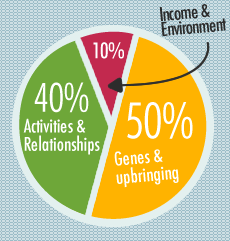
On the AfH site’s front page there is a pie-chart “Our Happiness is not Set in Stone”:
ImageGen.ashx

Although our genes influence about 50% of the variation in our personal happiness, our circumstances (like income and environment) affect only about 10%.

As much as 40% is accounted for by our daily activities and the conscious choices we make. So the good news is that our actions really can make a difference.

Though “the pie” says “Genes and Upbringing”, the text reduces this to genes. Confusing! Upbringing, of course, is family background, childhood, family dynamics and its social and economic circumstances. I put these factors in “environment”, not “genes”. Moreover, despite the fashion for genetic and neuroscientific theories of emotional and psychological states of mind, the jury is still way out for many of us on simple equations of genes and psychological states. The assertion of a significant connection between depression and inheritance is still precisely that – an assertion. So for example, the Human Genome Study has produced no evidence so far for a “depression gene/s”.[9]

In Thrive, Layard and Clark do offer a somewhat more nuanced discussion of the genetic/environment relationship in their chapter 7 – What causes mental illness? But genes still come first, and in the “genetic” section they make the unfounded claim for scientific evidence of a gene/depression connection. Thriving (being happy) is primarily associated with subjective states of mind, located within the individual, rather than a more realistic and holistic picture of a relationship between internal and external worlds. The obstacles to individual thriving are primarily negative states of mind that the individual can remove or moderate through positive thinking and positive actions. The social and economic causes of psychological ill-health are consistently underplayed, to my mind.[10]

This downplaying of the social, political and material contexts of subjective states involves sidestepping overwhelming evidence over decades that economic and social deprivation is a major cause of psychological ill-health. See, for example:

  • The WHO 2014 report on the social determinants of mental health worldwide.[11]
  • The Institute of Health Equity and Michael Marmot on the impact of the Coalition’s austerity policies in London, published in 2012.[12]
  • The American Psychological Association’s Resolution on Poverty and Socioeconomic Status 2000.[13]
  • The Royal College of Psychiatrists 2004 paper Poverty, social inequality and mental health.[14]
  • The Mental Health Foundation’s working paper of 2013.[15]

In their chapter on the causes of mental illness, the authors of Thrive devote the first nine pages to talking about genes.[16] There is one page on childhood, and just over one page on job loss, stressful work environments, physical illness and disability. The two pages on social class and income argue that these are not causal factors in the aetiology of psychological ill-health. The section on what makes mental ill-health persist goes back to genes and innate personality.

The final section, on the nature of society, identifies four factors affecting well-being across a society – the level of corruption, freedom, trust and social support. Financial inequality and poverty are dismissed. Ideologically-led policies of social and economic exploitation, the debasement of democratic processes, and the exploitation of the majority by a political and financial elite are not discussed, nor are the structures of power in society generally.

The neoliberal turn of capitalism

For me, it is this marginalising of the socio-economic in favour of the genetic and individual subjective that puts Action for Happiness in danger of becoming a palliative to neoliberalism rather than a real challenge to it. Without more context in the realities of people’s lived experience, happiness feels like a sort of social soporific. Happiness becomes a rather insipid goal in life, rather like a drug – soma in Huxley’s Brave New World.

Since Margaret Thatcher’s premiership, and revitalised with a vengeance by this Coalition government, neoliberal political policy has propagated a devastating increase in most of the socio-economic, cultural, ethical and political conditions that nurture psychological distress and suffering. Current political policy-making manufactures depression and anxiety, if you like.

It seems perverse to me for happiness campaigns like Action for Happiness to want to influence government policy towards reducing levels of anxiety and depression without coming out very strongly against current government policies that are having a devastating effect on the nation’s ‘mental health’.

So, while Thrive devotes space to the social side of mental ill-health, it is careful to say little about social class, adult and child poverty, waged poverty, the cuts in social security – including disability allowances for the mentally ill, policies like the bedroom tax, the consistent fall in real wages, the growth of zero-hour contracts, the growing shortage of affordable homes, the crazy rise in private rents in London, policies forcing families out of central London, food banks, the cuts in mental health budgets (20% higher than cuts for physical health budgets over the next five years, despite “Parity of Esteem”), the stigmatisation of asylum seekers and more.

And here is a final thought on this particular issue.

According to Jack Carney’s piece in Mad in America (2012)[17], before the 1980s, academic studies of the relationship between social deprivation and mental illness concluded that the former was the primary cause of the latter. With the rise of neoliberalism, studies have generally concluded the opposite – that mental illness causes social deprivation. The implications for neoliberal governmental policy are obvious. Define the problem as one of mental illness, treat it as an individual affliction, and carry on creating a society that celebrates inequality, social injustice and environmental devastation, in the interests of the global market.

[1] 2014 Penguin

[2] Not to be confused, of course, with Coca-Cola’s “Happiness is Movement” campaign in 2014 – http://www.coca-colacompany.com/videos/happiness-is-movement-ytbn3bc63pz38

[3] Robert and Edward Skidelsky (2013) How much is enough? Money and the good life Penguin, chap.4

[4] For more, see https://freepsychotherapynetwork.com/wp-content/uploads/2014/11/blank-9.pdf

[5] See an NHS review of the issue here http://www.nhs.uk/news/2013/08august/pages/controversy-mental-health-diagnosis-and-treatment-dsm5.aspx

[6] For example, http://dxsummit.org/archives/2032

[7] http://www.actionforhappiness.org

[8] http://b.3cdn.net/nefoundation/bb8366694aa033e578_vvm6bfv3t.pdf

[9] See for example, http://www.ncbi.nlm.nih.gov/pubmed/23290196

[10] David Harper argues a similar case regarding Action for Happiness in the Guardian here http://www.theguardian.com/society/2012/feb/21/sad-truth-action-for-happiness-movement

[11] http://www.instituteofhealthequity.org/projects/social-determinants-of-mental-health/social-determinants-of-mental-health-full-report.pdf

[12] http://www.instituteofhealthequity.org/projects/demographics-finance-and-policy-london-2011-15-effects-on-housing-employment-and-income-and-strategies-to-reduce-health-inequalities/the-impact-of-the-economic-downturn-and-policy-changes-on-health-inequalities-in-london-full-report

[13] http://www.apa.org/about/policy/poverty-resolution.aspx

[14] http://apt.rcpsych.org/content/10/3/216.full

[15] http://www.mentalhealth.org.uk/content/assets/PDF/publications/starting-today-background-paper-3.pdf.

[16] Pagination from the Kindle edition.

[17]  http://www.madinamerica.com/2012/03/poverty-mental-illness-you-cant-have-one-without-the-other

Other resources:

William Davies The corruption of happiness 18 May 2015  in OpenDemocracy

A fascinating article. The comments on happiness as a choice put me in mind of the fantastic (and often misrepresented) film ‘No’ by Pablo Larrain (2012). The film documents the overthrow of General Pinochet in Chile by a campaign using the tagline ‘happiness is coming’ (which the film frequently equates with Cola adverts). It offers a fascinating and deeply cynical perspective on the seamless persistence of neoliberal ideology despite the overt change in the head of state.
Mental Health Charter – the Social Work Action Network

A Charter for Mental Health

Mental health services have reached a crisis point. The problems are so acute that even the government itself has been forced to acknowledge them. In response the Social Work Action Network (SWAN) has developed A Charter for Mental Health. The idea for the Charter emerged from debates at recent SWAN conferences. However it has been developed in discussion with a range of individuals and groups both within and beyond SWAN including service users and practitioners in mental health services. The Charter describes reasons for the current crisis and suggests what needs to be done to resist and build alternatives. It seeks to be a starting point for discussion and action rather than a definitive statement. SWAN invites those who support the broad perspective described here whether as an individual or on behalf of service user and community groups, campaigns, trade unions and services to endorse the Charter but also to develop further resources from it. More importantly we hope the Charter will be a useful campaigning tool for activists to help build alliances of resistance and to contribute to the development of more and better support for those with mental health needs.

1. The problems

The crisis facing service users

The support on which many service users rely is being brutally cut as a result of the government’s austerity policies. This includes closure or reductions in the availability of community services alongside increased charges, time limited support and reduced funding for user-led organisations. Meanwhile the government’s welfare ‘reform’ programme is creating poverty through draconian measures such as the Work Capability Assessment, implemented by private healthcare firm ATOS, and the Bedroom Tax. These policies are having catastrophic effects. Service users’ networks of support are being damaged, and levels of stress are escalating. The result is increased anxiety and fear and a rising incidence of suicide and self-harm.

The onslaught faced by mental health workers

Practitioners are facing ever-increasing caseloads and enormous demands to meet targets, with little organizational support to prevent isolation and burnout. These workload pressures limit the space to listen and work in person-centred ways with individuals, families and communities. Swingeing cuts to community services and in-patient facilities mean that workers are reduced to crisis intervention. This results in delays for those in need of support often with tragic consequences. It also marginalises preventative work and reduces the support available to little more than medication.

The role of the market

The introduction of payment by results is creating a ‘throughput’ approach that means short-term therapy and medical model drug interventions are prioritized over longer-term talking treatments and other forms of family and social support valued by users and carers. The growing presence of private sector providers such as Virgin Care also diverts scarce NHS resources away from frontline support and into corporate profits.

The pre-occupation with negative risk

Services are increasingly focused on risk management, monitoring of medication ‘compliance’ and controlling forms of intervention. This is particularly acute for service users from black and minority ethnic communities who have inferior access to support services and are more likely to be subject to community treatment orders or forensic interventions.

Austerity, welfare reform and inequality

While the government says mental health and wellbeing should be given the same priority as physical health care their programme is creating unprecedented levels of mental distress. Austerity and welfare reform are contributing to the rising tide of inequality, itself a cause of increasing mental health need in society. As a consequence Coalition policy is both increasing levels of mental distress and simultaneously, through cuts and the market, restricting the support available to those most in need.

2. What is to be done?

• More user-led support and social approaches

Recent years have seen growing demands by service users for greater choice and control through person-centred and user-led forms of support. This is a result of campaigning and activism. Progress on this will require a greater shift towards social approaches and the creation of enabling environments. These recognize and challenge the barriers faced by those experiencing mental distress in a number of areas such as employment, housing and education. Social approaches mean the removal of obstacles to the inclusion of family, friends and community in responses to mental distress. It means support for social participation and contributing lived experience to practitioner education programmes, along with full commitment to user-led organisations, services and forms of mutual support.

• Challenging discrimination

Challenging all forms of discrimination including sexism, racism, homophobia and ageism as well as the demonization of welfare claimants is also crucial. This includes the stigma faced by mental health service users in society. However, while work continues to make anti-oppressive approaches, social perspectives and user and carer involvement a reality, cuts to collective services and individual support jeopardise this positive change.

• Overcoming conflict and obstacles to participation

Mental health workers would like to work in more relationship-based and person-centred ways. Meanwhile service users and carers are demanding more social and community- oriented support. Herein lies the potential for shared interests. But in the mental health field these may seem difficult to achieve. Historically the medical profession wielded the power to define and treat ‘mental illness’ in biomedical ways. This led to the growth of service user movements who challenged this focus and to conflict between psychiatrists and other mental health workers who rejected medical dominance.

• Resources of hope: joint campaigns and struggles

Yet realization that cuts, privatisation and a target-driven culture in mental health services are negatively impacting on service users, carers and different groups of workers in similar ways is breaking down older divisions. This opens up the possibility of joint struggles. Recent campaigns against cuts have increasingly been built on alliances between service users, practitioners and their trade unions. Whilst such campaigns may start with a focus on opposing cuts, the struggle frequently raises questions about how services should be organised and run. The recent victory of a user-led campaign against mental health cuts in Salford that was supported by trade unionists ensured not only that the service was saved with decent staffing levels but also that it was more democratically and collaboratively run in partnership with service users.

• More and better support

We need more alliances such as this to stop cuts and privatization and ensure people are not denied access to properly resourced community and inpatient services. However it is not enough to save services as they are, we want them to be better. This means services shaped by users with democracy and participation at the centre. Interventions based on social approaches and that challenge discrimination. Support driven by social justice rather than the profit motive. Joint campaigns by service users, carers, practitioners, trade unionists and activists have the potential not only to defend but also to transform services. SWAN invites you to join us in this struggle. The following demands are a starting point for realising these goals.

3. What we demand

  • Stop the closures or reductions in community-based support and day services
  • For relationship-based mental health support: achieved through increased staffing ratios, limits on the size of caseloads, less form-filling, bureaucracy and targets and more administrative support
  • Increase the availability to service users of individual and group therapies, community and user-led support and reduce the emphasis on medication
  • No to early withdrawal of support services from users due to ‘throughput’ care pathway models linked to payment by results
  • Ensure services are staffed with properly trained practitioners and peer-support workers employed on permanent not temporary contracts
  • Guarantee service user involvement in the training and continuing professional development of all mental health workers
  • Develop services in line with the principles of social approaches – remove obstacles to family and community involvement; facilitate safe spaces for service users to regain confidence and skills as a basis for moving into the mainstream; support users’ social participation though volunteering and civic involvement
  • Extend the availability of person-centred support to service users, no cuts to individual budgets and no increased charges for community services
  • Repeal the bedroom tax and stop the evictions
  • An end to welfare cuts and ’reform’; withdraw the Work Capability Assessment
  • Remove multinational corporations such as ATOS from the welfare sector
  • No to privatization and outsourcing of NHS, community and welfare services – for public services not private profit
  • Stop the cuts of inpatient services; improve inpatient provision through a better environment, improve staff ratios; guarantee of a local placement for anyone admitted to hospital
  • More funding for the development of alternatives to inpatient services such as user- led crisis houses
  • An end to the use of community treatment orders (CTOs)
  • An end to institutionalized discrimination in mental health services: reducing disproportionate rates of admission and compulsory detention of people from black and minority ethnic (BME) communities; increase access to culturally appropriate services; improve gender sensitivity of services and safety of women on acute inpatient wards For more information and to endorse the Charter contact:
@SWANsocialwork (#MHCharter);
mentalhealthcharter@gmail.com
SWAN: tiny.cc/gwhcdx; W: socialworkfuture.org

Group Analysis Therapy – a therapy for our time?

Much of what we know about groups and the power of group therapy we can ascribe to the pioneering work of W.R Bion and S.H Foulkes, during and after the second world war. With this in mind, is it time again, as we did then, to consider group therapy being a therapy of our time? Today, it is not the threat of totalitarian regime from overseas that drives the distress that people feel but a pervasive culture of distilled fear of the “other” proliferate by today’s political classes which permeates the self and instills such anxiety.

Whether it be: ‘The need for austerity’, ‘The war on terror’, the fear of ‘Mass Migration’ or attacks upon the so called ‘scrounging indigenous benefit claimants’. The results are the same – that anxiety is increased, our sense of wellbeing is eroded, relationships suffer and social cohesion is attacked. The threat may not now be now from the Nazi’s, but an enemy that threatens us regardless.

Whilst this fear of the other is perpetuated, it is an uncomfortable truth that narcissistically driven gain, with its associated personality traits, is often afforded the status of being the highest of personal achievements. Conversely, collective, relational or just groups that promote sharing or creative thinking within non-hierarchical, non-financial orientations are given something far less than the status they deserve.

With this in mind, is it time to think about the group and it’s power to both inspire and hold the most intense feelings once again? But also is it time to challenge the individual to think about their personal entitlements, fears and anxieties over and around the other? Perhaps now, such as then, reconnection to group processes is required.

It was S.H Foulkes who gave the greatest trust to the power of the group to hold the most distressed, and in turn gave us the best understanding of the origins of that distress and the processes that underlie it.

For Foulkes and his acolytes, in the early days of ‘Group Analysis’, often it would be group processes rather than individual that would be relied upon most heavily to manage the most distressed. In those days in the Northfield hospital, it was the trauma of war (what we now know as post traumatic shock disorder) that was being treated and it was the group itself that was the main therapeutic medium for that treatment.

To understand how this medium was and is so therapeutically useful, we have to go further into Foulkes’ theories of the individual and the construction of the self. Whilst Foulkes was a classically trained analyst in the Freudian tradition, he had within his theoretical model of ‘Group Analysis’ a radical concept and departure from the orthodoxy of psychoanalysis. This he called ‘The Matrix’- a symbolic and hypothetical web of unconscious communication and meaning that we are all a part of, that permeates and shapes the person from their earliest moments.

The importance of this concept was that he saw individuals not as individuals per se, but as connected to a much wider net of socio-political and psychological process, whereby the individual was influenced and created by the environment and relationships around them. With this, the individual was seen not to communicate solely for themselves but as a ‘nodal point’ of communication for the wider system that included the personal.

In fact, Foulkes struggled so much with the notion of the individual that he thought that distress and neurosis emanated from its very formation. Or as Foulkes himself put it:

The deepest reason why patients………. can reinforce each other’s normal reactions and wear down and correct each other’s neurotic reactions is that collectively they constitute the very norm from which they deviate.  (S.H Foulkes 1948).

Reading Foulkes, we can begin to understand the need for the group and people’s places within it. As the socio-political influences of the day reinforce the need for greater perverse individualism and narcissistic gain, both the individual and the society at large experience greater levels of neurosis, creating a self fulfilling negative feedback loop that feeds and consumes itself equally. For Foulkes, it was only connecting and remaking contact with those larger social processes that alleviated the personal and social neurosis.

In the therapeutic world, perhaps the harshest of criticisms is, rather cruelly, that of ‘denial’. And it is this Foulkes was charged with. Foulkes’ highly positive schema of the individual within groups, reconnected to the matrix that in their individual state they had deviated from and become distressed, was considered far too utopian for some of this contemporaries and followers. It is true to say that Foulkes had no schema for the anti-group or destructive phenomena that occurs in groups. It was perhaps W.R. Bion who could describe more fully the destructive elements within group life and with it present something of a dichotomy in group thinking.

Bion, in his theory of groups, was able to differentiate when groups were working and when they were not. When processes were creative and when they were stuck. Bion described this as the theory of “Basic Assumption Groups”. Using his theory to think about groups, we are able to differentiate when a group is working – engaged in its primary task of overcoming and understanding neurosis – and when it is not – that is, has become a “basic assumption group”. Bion, essentially an analyst trained in the Kleinian school, was able to identify when anxieties were high and the group had fallen into an unconscious defensive position. In such a position, the group relies heavily from within its number on dependency figures, in the unconscious hope that the individual or pair will rescue it from its neurosis. Differently to Foulkes, it was the personal unconscious stimulated by the presence of the group, and the imponderables therein, that inspired the group to amalgamate into a split position and defend against its primary work task.

While personally I find the theory of groups fascinating and could spend far more time exploring than this piece allows, I want to return to the central point that groups are both able to inspire and hold the a strongest of feelings. I asked the question, ”is group therapy a therapy for our time?” And whilst there is obviously no definitive answer to this question, what is important is that therapy in our time should have a way of reflecting on the type of processes that inspire the kind of anxieties that people suffer with and illustrate that their origins are not always from within. Our therapeutic understandings need to be able to place a person in the socio-political context that permeates the individual, and both give an understanding of what inspires anxieties and make conscious how those anxieties come to reside there in the first place.

In addition to this, therapy needs locate us within our own personal potential to split and inspire in us a greater understanding of what influences our splitting. There resides within us an understandable desire for a charismatic leader(s) to rescue us from our most primitive fears, a desire which drives us to project not just the worst of ourselves, but also the best of ourselves into the other – depleting our own internal resources. It is group analysis and group therapy that can most usefully offer this in my understanding.

Lastly, there is a brief point referred to earlier regarding narcissism. I made the point that in our time often what can be described as serious narcissism and self entitlement is celebrated and defended within our society – the banking crisis and the defence of those that maintain it, whilst scapegoating the poor, being the most obvious of the current examples of this. However, in groups it is my experience that narcissistic processes either within a group’s membership or within the therapist themselves remain unchallenged. Actually, group analysis has a unique unfathomable way of both inspiring a person’s narcissistic traits to be present and challenging them when they do. However, that is another paper altogether. But needless to say, the benefits of challenging the cult of narcissism would have far reaching positive outcomes.

I started with a point that what we know about groups was inspired by the need to treat the sufferers of the worst conflicts the world has known. Today, conflict – whist not as explicit as the wars of the 20th century – is waged in ideology and economics as much as conflict with weapons. As such, I believe the group is required to illustrate the processes that underpin the split positions that allows for such sadism, and at the same time acknowledges that, like then, there are many distressed people traumatised by those same processes. Groups are ideal to support and hold the most serious of traumas.

Michael Caton

Replacing mental health diagnosis with understanding real people and the difficulties of everyday life

Eric Maisel writes:

And who isn’t in the middle of calamity? Forget about world wars. What is it like for the quarter million women diagnosed with breast cancer each year and the one in eight women threatened by it? What is it like for a gay youth in a fundamentalist town? What is it like for a workingman or workingwoman living in a tract home in Amarillo, Queens, or Dayton? What is it like for a writer with no publisher, a painter with no gallery, a musician with no gigs? What is it like for an obese man or an obese woman with no sex life? What is it like for the millions who hate their jobs, the millions with no job, the millions who cringe when their mate enters the room, or the millions who have aged into invisibility?

Against this backdrop of mental stress, distress, and misery, we are supposed to stand “mentally healthy,” as if life were a lark and as if sweet smiles were not only our birthright, but also an obligation. Why should we be smiling? Why should we be “mentally healthy,” whatever that phrase is supposed to mean? For the whole history of our species, until very recently, your drinking water could kill you. In our age of good drinking water—which is only a reality for some percentage of our species—we have only had world wars and nuclear weapons to contend with. And what is life like for someone living under a dictator, where you can vanish for speaking? And how pleasant is your boring, taxing job? How pleasant, for that matter, is your own seething mind, packed with worries, regrets, resentments, and to-do lists?

But you are supposed to keep smiling. You are supposed to stay positive. No matter that every human right is a fight that must continually be fought for. No matter that in this modern age of plenty, which advertising tells us comes with beautiful homes, beautiful cars, and beautiful bodies, insomnia is an epidemic, obesity is epidemic, sadness is an epidemic, and meaninglessness is an epidemic. You must not notice the machinations of the powerful: none of that should affect your mental health. You must not notice your aging, your illnesses, or your mortality: none of that should affect your mental health. You may not even look in the mirror and announce that you might strive to be a better person: none of that!

Read the full article here

Where in the world does poetry belong? Rogan Wolf

By roganwolf April 7th, 2014 @ 3:38 pm

I run a project called “Poems for…” It  offers poem-posters free of charge for public display. Many of the poems are bilingual, with over fifty different languages represented so far.  The poems go far and wide – to schools and libraries and healthcare waiting rooms.

I have just remembered a piece I wrote as the introduction to my very first report on the project. It contains some general thoughts on the role of poetry in a society where, once their schooldays are past, most people barely ever read a poem – yet often look for one when a funeral has to be organised or during a love affair. I think the piece still holds good, even though it was written ages ago.

For the project has been running since before the Millenium. During that time, it has had many funders and much support, the earliest from the UK Poetry Society when Chris Meade was its Director. It was thus the Poetry Society who received this first report, written in 1999. Here is the introduction, very slightly revised.

“This project [then called “Poems for the Waiting Room”] takes place against a background in which poetry as an art form appears to have regained a popularity and acceptance it has lacked since Edwardian times.

Obviously this cannot be said without qualification. Publishers continue to find poetry books hard to sell. The Oxford University Press caused a stir a few years ago by closing down its poetry list.

And yet some poetry sells enormously. Ted Hughes’s poetry is neither easy nor comfortable. But his last publications before he died were bestsellers.

Here are some other random indicators for poetry’s renewed place in people’s lives : the evident popularity of the BBC programme “Poetry Please” ; the success and huge influence of “Poems on the Underground,” which has spread to bus services and even to telephone booths, and in different versions has been developed in cities across the world ; that astonishing issue of ‘The Guardian’ in the the middle of the First Gulf War, when a photograph of a lorry driver burnt to death in the desert appeared in the news pages, with a long new poem by Tony Harrison underneath ;  the research industry which recently seemed to gather round poetry in more than one university, evaluating its “therapeutic” benefits, and from time to time attracting a flood of correspondence from social workers, counsellors and similar care workers, many of them already using poetry extensively in their work, unsung and on their own account ; the wide range of organisations that now take people on as Poet in Residence and – more subjectively – the impression one has that an interest in reading and writing poetry no longer requires one to take cover in some “arty” coterie or secret isolated self, so that in more and more places and situations, there seems a new openness to poetry, perhaps even a hunger for what it can offer. Only a few years ago, the very subject caused embarrassment almost everywhere outside the class-room. Not now. No longer does poetry need be mumbled. For some reason it has re-joined the language of the main-street.

It seems reasonable to conclude, then, that even though the public appears largely unwilling to buy it in book form, in other media poetry has begun to live and flourish again. Perhaps it is looking for a new home, a new form of delivery.

The reasons for this resurgence of poetry as an art of the mainstream can only be guessed at.

I should like to present some of my own ideas here, since I think they are relevant to the “Poems for the Waiting Room” project. Inevitably the ideas overlap, but I shall try to set them out as distinct items.

First, poetry is a way of making sense of our surroundings, our emotions and how we live. Not from the detached point of view of the laboratory technician. But from the perspective of the ordinary person in the human feeling middle of it all, struggling through. Our ability to comprehend and find sufficiently meaningful our lives and environment is essential for health and well-being. But this has surely never been harder to achieve. For human beings everywhere the familiar is dissolving around us at faster and faster rate, and traditional frameworks and explanations no longer satisfy the vast majority. So, at some level, all of us are left detached and groping. And perhaps as a symptom of that lostness, people have turned again to poetry.

But this puts poetry in an impossible position. It cannot offer explanations as such. It cannot be a philosophy or religion. Nor, in my opinion, can it “heal” in the way a treatment heals a particular condition.

But what it can do is offer words from an ordinary human place that give shape and meaning to a common human experience. In this sense it can make sense of things, serving both to validate and to bridge, both to affirm and articulate a private emotional human experience and to create a link between people who can identify with that experience. Thus, not a cure as such, but an antidote. Not a prescription, but a tapping into an essential human process, holding us together in the human community.

Secondly, at the end of the second millennium, the average individual’s experience of self is radically different from that of any previous time. In our age as never before, we have to be continuously conscious of ourselves as members of the limitless multitude, the whole of fragile Earth’s population, the vast TV audience, the rush-hour hordes, the “Market,” the Electorate. Even while the adverts cajole us to “get away”, treat ourselves, celebrate and pamper our particularity and uniqueness, we live much of our lives and are addressed on all sides as objects en masse, recipients of one manipulative “spin” after another, customers, passengers, blank figures in the crowd. The human race has never loomed larger or more potent ; at the same time and even despite the Internet, the human individual has perhaps never felt smaller or more meaningless.

Again, this is surely relevant to poetry and its resurgence. For, of all the arts, poetry is perhaps the most purely individual, and in finding and marshalling public words and resonant meaning for inner and private experience, it reminds us of, and can sometimes perhaps restore us to, the largeness and centrality of the individual human self. Furthermore, if the poem’s any good, it talks direct and open-hearted, whole person to whole person, I to Thou. It’s not a slick sales-patter, some overhanging cloud you have to peer behind or defend yourself against. It talks a true language. It is naked and searching for you.

Which leads to the third and final suggestion. For the last few years politicians and philosophers have been talking much about Community, the need for mutual belonging, for the feeling and experience that there is a circle you belong to wider than your own. It can perhaps be said that the present Labour Government owes some of the strength of its position to the widespread yearning for a greater sense of social cohesiveness, in contrast to the furious materialism and anarchic self-interest of the previous two decades.

In some strange way I believe that here too poetry has found a role. For not only does a good poem add to a sense of individual significance, it adds to a sense of connection between people, and not just between writer and reader but between everyone ; in the very act of getting through and speaking to people, it affirms our commonality at the deepest emotional level. In this sense poetry renews community every time it is recited, breaking down our separateness and desolation. So here too the present renewed interest in poetry perhaps reflects a wider yearning, in this case for connectedness.

Other suggestions and explanations can be made and have been. What is common to the three offered here is that, assuming we are right that poetry is experiencing a renewed importance in our cultural and social life, it is doing so as a symptom of human neediness in times of enormous change and strain. It is tempting to think of poetry as some sort of cure. But this I think would be presumptuous. While I personally believe poetry actually can make things happen (pace WH Auden), at least in the sphere of the inner person, and certainly I think it can act helpfully and healingly, I hesitate to lay claims for poetry it cannot meet. Poetry can make waiting rooms more human. But it won’t turn them into treatment rooms or rescue us from the predicaments of our time.

I would like to pass on and offer a few brief reflections on the waiting room.

It is a truism that the pace of modern life is frantic. The waiting room is one place in the world where all of us at some point are going to have to pause for a while, like it or not. Whatever use we find for our normal franticness, it will not help us here.

Another feature of the waiting room is that for many of us it is a place which reinforces our sense of essential powerlessness. It is the antechamber of a system we have resorted to, in whose hands we will be helpless, but whose powers we need. Our normal routines and defences have proved insufficient. We are here to some degree as supplicants.

Furthermore, it is an impersonal place. Not just a room full of strangers, it is a room representing an organisation and a discipline whose approach to the individual is likely to take little account of him/her as a whole person, with  a familiar name and a unique history. The average health waiting room leads to a surgery where you are likely to be addressed and treated in terms of immediate presenting symptoms, of groupings, of categories.

So the waiting room is a profoundly democratic place. Like aging and death, it levels us. It is a place of tension and anxiety but also of human potential, in which people have a chance to reflect and be enriched. And it’s a place that could do with the human touch.

I would now like to make a point or two about the Health services I work with and where this project has been piloted and where it mostly belongs. (On the other hand, what about railway and airport waiting rooms ? What about sitting rooms in old people’s homes ? What about private sitting rooms ?). In my experience health services of all kinds are profoundly under stress, as a result not just of the demands on them – the quantity of those demands and often the intractable and scarcely bearable quality of those demands ; not just the inadequate resources, low pay, low morale, the “culture of blame” increasingly referred to by cautious politicians ; not just the unsure ethic of care which has not yet recovered from Thatcherism and remains shaky and uncertain ground from which to work. All of these things and maybe more combine to make centres of social and health care often rather difficult to approach and difficult to work with on a new idea. This is not in any way an accusatory statement, not is it an attempt to create an alibi to explain the delays there have unquestionably been in this project. It is simply to record the fact that workers of all kinds dealing on a day to day basis with much distress, inundated at the same time with continuous changes of policy in a climate of top-down management directives, waiting for disaster and to be pounced on by disaster-hungry reporters, tend increasingly to look out on the world outside their walls with dread and suspicion. Defences are up and responses are slow. A project to do with putting poetry up and about may well come as a delightful relief and opportunity for generous action and a human touch, but it is unlikely to be put on the top of an overcrowded action priority list. And, just possibly, in touching on emotions that people – to get by – cannot allow themselves to feel, it may actually be unwelcome.

I would conclude this piece with a brief personal statement. I believe my enthusiasm for the “Poems for the Waiting Room” project is two-fold – that it truly democratises poetry, bringing it to a place where at some point every man, woman and child has to pause ; and that it can help to humanise an impersonal space in which people can feel particularly lost and at sea.

My chief concern for the project is that there’s a danger we shall expect too much of it, that the yearning its initial success surely represents is for something greater than poetry can possibly satisfy. It is essential that we continue to choose the poems with great care for their accessibility and applicability. But even if we do, and manage to resist the temptation to put poetry up on every blank public wall, or use it to fill every possible moment of communal quiet, it is possible that the spiritual yearning from which poetry is presently benefiting, will soon move on. There is an opportunity here to make warm and honest human language count, perhaps as never before. But it is an opportunity not to be grabbed. We must grasp it, yes – but carefully, feelingly, sparingly.”


More from Rogan and ‘Poems for….” here:  www.roganwolf.com and www.poemsfor.org  and  a ten-minute film made of Rogan performing in the Large Meeting Hall of the Friend’s House last year.https://vimeo.com/76307847  


The sorry state of NHS provision of psychological therapy.

Healthcare Today carried the following headline at the end of January – “Figures from the Health and Social Care Information Centre (HSCIC) show fewer than 6% of referrals made under the Improving Access to Psychological Therapies (IAPT) programme in 2012-13 resulted in ‘reliable recovery’”. Shocking surely? If this were physical health, wouldn’t there be an outcry about wasted money and human resources? Wouldn’t NICE’s confidence in CBT be a little disturbed?

But according to the HSCIC report itself, this is a story of success. “43% of patients completing a course of treatment under IAPT achieved recovery”. In its foreword, Lord Layard writes, “the dataset … supports … the Department of Health’s continuing commitment to parity of care between Mental Health and other Health services”.

So, what is going on? Is it 6% or 43%? The answer lies in the opacity and manipulation of IAPT’s evidence base, and the politics of mental health.

According to the reported statistics, 43% “of those referrals that had completed treatment and were at ‘caseness’ at their first assessment (127,060 referrals)” achieved recovery. However, this group of 127,060 represent only 14% of 883,968 new referrals during the year. 51,900 patients were deemed to have recovered  – 6% of the total number of referrals.

The four-year vision for the IAPT programme published in Feb 2011, and repeated with every quarterly progress report, is for a total of 3.2m referrals, 2.6m completed courses of treatment (81% of referrals) and 1.3m ‘recoveries’ (40% of referrals) between 2011 and 2015. Compare this with the actual figures for 2012-13 – 14% of referrals completed treatment and 6% of referrals recover.

Put another way, then, 94% of referrals to IAPT failed to receive a successful course of therapy, and 86% failed to complete any course of therapy at all. What happened to 757,000 referrals who never completed a course of therapy?

The ‘evidence base’ obscures rather than clarifies the picture. We learn that of the 449,000 referrals who do not enter clinical treatment of any kind, 37% were still on a waiting-list at the end of the year and a half of this group (84,000) had been waiting for more than 90 days. The other 283,000 non-starter referrals disappear from the data. Who are they? Where do they go?

From a different starting point, we are told that 60% of new referrals ‘ended’ during the year. This figure includes referrals who completed treatment and those who either never started or failed to complete. A quarter of this 60% dropped out of the process ‘unexpectedly’ and another quarter ‘declined the treatment offered’. Why? What happened to these people?

These are not new questions being asked of the IAPT statistical light show.

In Nov 2013, The We Need to Talk Coalition report on access to talking therapies proposes from the results of its survey that 10% of IAPT referrals have been on a waiting list for over a year, and that 50% have been waiting for 90 days or more.

Tellingly, an article in Pulse Today in November 2013 reports an analysis of IAPT data for the previous year, 2011-12, by researchers from the University of Chester’s Centre for Psychological Therapies in Primary Care (CPTPC), published in two papers in the Journal of Psychological Therapies in Primary Care.

In the first paper, an analysis of IAPT data from the NHS Information Centre for 2011-2012, the team reported that the official figure for patients moving to recovery was 44%, based on those patients who were ‘at caseness’ to begin with and were considered to have completed treatment.However, when the researchers considered all patients entering treatment – completing at least one session – the figure fell to just 22%. If the full quota of patients referred for IAPT was considered, the proportion of patients moving to recovery fell even further, to just 12%.”

So, it seems one year later the proportion of patients moving to recovery has fallen even further, to just 6%.

Apart from the raw numbers, the report is full of obscure terminology and statistical caveats which are surely incomprehensible to the uninitiated and intended to hide as much as they reveal. For example, what a course of treatment consisting of two sessions means; what reliable recovery or reliable improvement really mean; how to read the complex flow chart illustrating the relationship between the two; and, even more, the perplexing diagrams of the various types and stages of threshold to recovery – all are beyond me at least.

Nor can I get my mind around this caveat concerning which case may or may not be counted to measure an outcome of ‘recovery’:

Not all referrals that have ended are eligible to be assessed on outcome measures such as recovery. It is possible for patients to exit the service, or be referred elsewhere, before entering treatment, or without having the required number of appointments to determine the impact of IAPT services. As a result of this, in order to be eligible for assessment a referral must end with at least two treatment appointments, allowing any changes between those two (or more) appointments to be calculated. This is known as completed treatment, but may not be the same figure as the number of referrals with an end reason of completed treatment, as the method allows all referrals with the requisite amount of treatment appointments to be assessed (even if the end reason is that the patient dropped out or declined treatment).

It does not help my understanding to hear that Professor David Clark, a key proponent of the IAPT programme, criticised the Chester researches by pointing out that it was inappropriate to consider all people referred to the service as many would not end up being treated, while those who did not complete treatment were people who had one session of treatment and advice, ‘in many cases entirely appropriately’.

By comparison, I know where I am when the Department of Health academics who made the economic case for the IAPT programme reject the researchers’ claims as based on ‘flawed analyses’, ‘inappropriate’ calculations and ‘dubious assumptions’. This is what the political game of evidence-base is all about. It makes no differences what the numbers actually say. Statistics are essential to the political lie. In this case, in the pursuit of the familiar policy – contempt for mental health.

The truth revealed by the 2012-13 IAPT annual report is that the IAPT programme is failing –  a failure obscured by the smoke and mirrors of its statistical evidence.

Paul Atkinson

March 2014

Sage Community Arts Gallery

Thanks to Sage Community Arts for sharing with us a gallery of their work to help bring the website to life. The gallery can be accessed in the right-hand column of any post.

Sage Community describes itself as a  “free space for marginalised artists”. You can learn more about the Community, the artists and their work at their website  www.sagearts.co.uk  (email sagearts@hotmail.co.uk).

Sage Community Arts is an incorporated registered charity, limited by guarantee. Charity Number 1155276, company number 8738832.


Hidden History: Free Clinics

“…the conscience of society will awake and remind it that the poorest man should have just as much right to assistance for his mind as he now has to the life saving help offered by surgery” (Freud, 1918 quoted in Danto: 1999).

Until very recently, psychoanalytic psychotherapy was available in England and Wales through the NHS, and not, as it is almost exclusively now, by paying to see a psychotherapist privately. This meant that people could be referred by their GP if they were unable to afford to pay for therapy, or if they did not want to see a psychotherapist privately.

The division that developed between public and private psychotherapy led to free psychotherapy becoming largely associated with the public sector. However, early on in the history of psychoanalysis, Freud encouraged all analysts to see people for free. In 1918, in a speech to the 5th Psychoanalytic Congress, he urged those present to make psychoanalysis publically available by setting up “institutions or outpatient clinics (where) treatment will be free” (Danto: 1998,1999). This speech was made at a time of considerable and progressive social and political change in the aftermath of World War 1 and it reflects Freud’s agreement with the social democratic politics of the day.

Inspired by Freud’s speech, two free psychoanalytic clinics were founded. In 1920, Max Eitinglen set up the Berlin Poliklinick and, in 1922, the Ambulatorium in Vienna was opened by Eduard Hitschmann, amidst concerted opposition from physicians who were both sceptical of the developing field of psychoanalysis and mindful of the possibility they could lose paying patients (Danto:1998).

These two outpatient clinics enabled men, women and children between the ages of five to 70 to access psychoanalysis to address their difficulties. The psychoanalysts expected people to pay what they could afford; which was very often nothing. Therapy was offered based on the person’s presenting problem, and free and fee-paying patients were seen alongside each other and offered the same length of session and length of treatment (Danto: 1998, 1999).

The records from both of these clinics, kept over a period of 10 years, include details of the age and gender of patients, why people sought psychotherapy and the length and outcome of their analysis. The records illustrate just how diverse a group of people attended the clinics, as well how wide a range of emotional and physiological problems people sought help for. Domestic servants, tradespeople, academics, farmers, unemployed people, factory workers, students and civil servants were amongst the occupations listed for people attending the clinic. The consistently largest group of people seeking psychoanalysis were young adults between the ages of 21 and 30. Many men attended the clinic, and in the 21-30 age group men and women were seen in equal numbers (Danto: 1998, 1999).

The free clinics give us an alternative perspective on the widely held view that psychoanalysis was largely consumed by Viennese bourgeois women. It provides evidence that historically psychoanalysts did not consider working class people to be unable to make use of psychoanalysis. On the contrary, some of the early psychoanalytic theory and practice developed out of the work of these clinics. Karl Abraham, Karen Horney, Erich Fromm, Helen Deutsch, Anna Freud, Sigmund Freud, Wilhelm Reich and Annie Reich were just some of the analysts working in the two clinics (Danto: 1998, 1999). The free clinics also clearly demonstrate that, historically, psychoanalysis was interested in and informed by the material and social context of people’s lives, as important contributory factors to our mental health.


References:
Danto, E.A. (1998). The Ambulatorium: Freud’s Free Clinic in Vienna. Int. J. Psycho-Anal., 79:287-300
Danto, E.A. (1999). The Berlin Poliklinik. J. Amer. Psychoanal. Assn., 47:1269-1292
See also:
Hitschmann, E. (1932). A Ten Years’ Report of the Vienna Psycho-Analytical Clinic. Int. J. Psycho-Anal., 13:245-255
Danto, E.A. (2005) Freud’s Free Clinics: Psychoanalysis and Social Justice, 1918–1938 (New York: Columbia University Press)


The Free Psychotherapy Network

We are a group of psychotherapists offering free psychotherapy to people on low incomes. Since 2014, we have been developing our own ways of doing no-fee work and we are supporting each other in the experience. We would like other qualified psychotherapists and counsellors to join us in building the network.

We envisage a loose, mutually supportive, network of practitioners offering their time, experience and energy to their local communities in whatever settings work for them. This might be through individual or group sessions, through facilitating peer-support groups or by working with existing community groups.

We are not talking about charity, nor are we interested in this government’s bogus vision of ‘the big society’. We see ourselves as contributing to a broad movement of activism, pressing for social justice and community values in response to the social injustice and cynical market values that seem to have a tightening grip on our society.

We support the provision of psychological therapies by the NHS. But, for the moment, we see little hope of a turnaround in the recent cuts to NHS services – in particular, cuts to the open-ended talking therapies.

We believe that the state of our emotional and psychological lives is as fundamental as our material standard of living – our incomes, our physical health, our working conditions, our education and housing. They are clearly inseparable, though not necessarily in a simple way. We know that money doesn’t buy happiness any more than poverty destroys the possibility of love and a creative life. But we do live in a society whose dominant political and cultural messages seem to us to overvalue money, profit, property and consumption, while at the same time undervaluing the quality of our emotional lives and relationships with our families, friends, co-workers, neighbours and wider communities.

Inequality of wealth, income and power are growing in the UK. In some respects, they are becoming more deeply and subtly entrenched in the way we think about ourselves and the meaning of our lives. We believe that it is as essential to a decent life to feel that we have the power to influence the way we live and can find the courage to live well with ourselves and each other, as it is to have basic material security. Gross inequalities of social, economic and political power corrode mental as well as physical health for everyone.

The intersection of class and racial inequality is a powerful dimension in patterns of social injustice and mental ill-health in the UK. We recognise the disparities of income and basic social resources experienced by BAME communities, alongside the pain and trauma of institutionalised racism, overt racist aggression and the encouragement by our governments of a hostile environment towards people of colour. The racial violence of our criminal justice system and the UK’s immigration and asylum policies have been highlighted recently by the Black Lives Matter movement and other anti-racist campaigners. The FPN supports anti-racist campaigns and recognises the critical role of racial hatred and discrimination in the mental ill-health of our society. 

We also support the need for more therapists from minority ethnic communities, and the development of better intercultural and race awareness in the training of counsellors and psychotherapists.

In general, we believe most people find the rapport and understanding they need to live well in their everyday network of friends, family, colleagues and community. A significant minority, however, find themselves struggling in relative isolation with painful and debilitating experiences of anxiety, fear, depression or self-doubt. Usually, the sources of such psychological difficulties are environmental – poverty, early trauma or abuse, family breakdown. All too often the people struggling with psychological insecurity are also struggling with financial and social insecurity.

We want to work with local communities by supporting people who would benefit from the experience of practitioners, who cannot get the kind of support they need from their GPs or from voluntary services, and who do not have the money to pay for psychotherapy. We want to work, as far as possible, from local bases in communities we are connected to. We want to encourage people to collaborate, support each other and share experience and understanding of psychological difficulties. We will work with people as psychotherapists, but also as equals in the common experience of wanting to understand ourselves and others better, and to live our lives with more freedom, more creativity and more responsibility toward the common good.

How you can get involved with the network:

*  If you are already involved in free and/or low-fee work as a qualified practitioner and you support the ethos of the network, you could join us by sending a short statement about what you are doing, its setting and the social/political perspective you hold about the work. With your permission, we could add your statement to the website and connect you with other therapists interested in developing support for each other.

*  If you are interested in starting a project or you want some support for an existing project, get in touch with us and we will think about how we might be able to help.

*  If you want to support the network in some way – by getting involved in existing work, offering ideas for community projects, thinking about the clinical implications of working for free, setting up support groups for no-fee practitioners, or simply by endorsing the philosophy of the network – get in touch with us.

Email us at freepsychotherapynetwork@gmail.com

Please include your email address in the body of your message. Thanks.

Find free psychotherapy near you through the Free Psychotherapy Network

If you are looking for an FPN therapist, go to the Find a Therapist page here.

The directory is organised by geographical areas. Choose a therapist and use the contact details to get in touch. Many of the therapists have a short profile available about themselves and their work. We offer no guarantee that therapists have free or low fee places available at any particular time. You will have to find out for yourself. All arrangements for therapy will be made between yourself and the therapist. Individual therapists work under the codes of ethics and practice of their registration organisations.

For  a list of other organisations offering free and low-fee counselling and psychotherapy nationwide, click here.